Describe your garden from the places you use
Start at the back door, the seating area and the garden entrance. What would you like to see from each position, and what would you prefer to screen? This gives a more useful starting point than choosing a panel from a catalogue without considering its position.
Call 020 3797 3058 or request a free quote for your Clapton address. Explain the result you want, even if the exact style is undecided. You can discuss a complete new boundary or replacement of particular runs without having final measurements ready.
Create a short appearance brief
Choose a few priorities you can explain: a more enclosed sitting area, an open division beside planting, a consistent top line or a finish that works with retained timber. Say which priority matters most if the preferences cannot all be achieved in the same way.
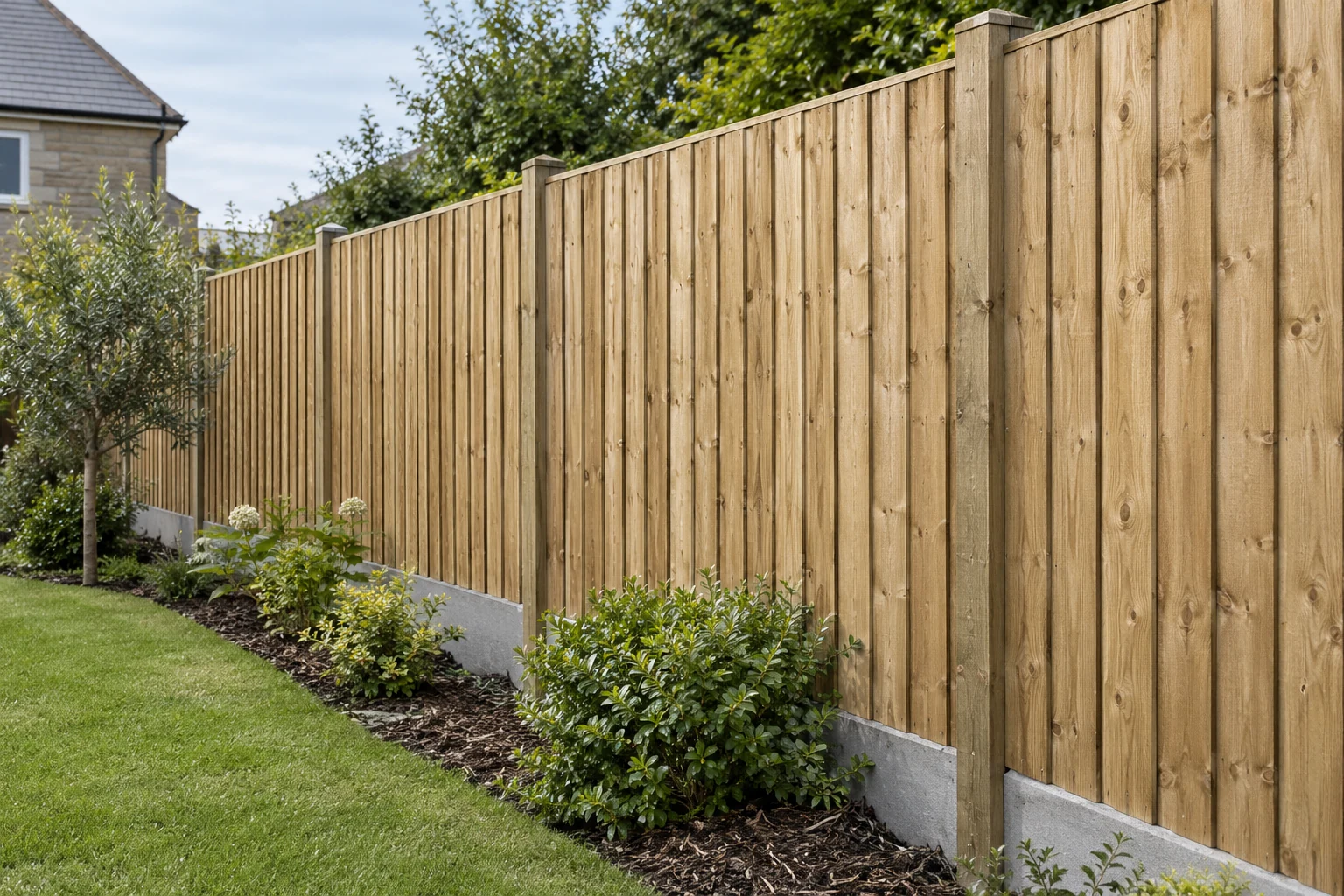
Our privacy guide considers sightlines rather than height alone. The fence style collection provides an appearance reference. Ask the proposal to explain how the preferred design translates into boards or panels, posts, dimensions and connections at your property.
A photograph is useful for discussing a look, but it does not specify the whole installation. In particular, the same appearance may need different treatment at a corner, gate or change in level. Include those points in the conversation before accepting a final assembly.
Mark the parts you want to keep
Think beyond the fence itself. Note a planted border, paving edge, shed, existing gate or neighbouring section that should remain. Explain what can be moved before work and what needs protection. This helps make the preparation part of the quotation explicit.
Describe the endpoints of the new work using fixed references. Ask how it will join retained sections and whether the appearance will change at that junction. Fresh timber may differ from weathered boards; discuss that expectation before materials are selected.
If your main concern is isolated damage, the Clapton repair service may be the better starting point. A replacement discussion should establish why the retained parts are suitable or unsuitable, rather than treating every worn-looking boundary as a full-renewal job.
Walk through the material route in your description
Explain where materials enter and how they reach each run. Include turns, steps, doorways and gates. If the only route is through the home or a shared passage, make that clear so handling and the size of components can be considered.
Confirm who supplies keys and any times when occupants need the route available. Permission is needed before adjoining land can be used. A plan for vehicle arrival is separate from a plan for moving materials from the entrance to the actual work position.
Compare what the two prices actually buy
If you request alternatives, ask each to describe the same boundary length and make differences visible. Does one reuse supports while another replaces them? Is old foundation removal included in both? What happens to the removed materials? Is reinstatement beside the new fence part of the scope?
These questions are particularly useful when a headline price appears much lower. Our installation cost guide explains the elements to compare. It does not supply a price for the unassessed property, and a product-only figure should not be read as the complete installation cost.
Resolve conditions that change the job
Mention known services, unusual supporting surfaces and any existing construction the fence relies on. Identify separately a boundary holding back soil or serving a protective function beside a drop. The suitability and responsibilities for those functions need assessment beyond the appearance brief.
Confirm the intended line of the fence and who can authorise it. Where an owner or managing agent must approve the work, provide the relevant requirements early. The quotation itself does not determine ownership or settle a disputed position. Our planning and height guide is background for proposed alterations; site-specific checks remain necessary.
Turn the agreed option into an installation plan
Use our quotation checklist to record the chosen construction, removal, preparation and completed condition. Agree how unforeseen conditions will be raised before the scope or price changes. Confirm the applicable product and workmanship terms and the care information for the supplied materials.
Our Clapton area overview brings together the local service routes. Begin your enquiry with the address, approximate extent, priorities and access description. Availability and timing can then be discussed for the actual project, keeping the agreed outcome and the practical work in the same proposal.
Frequently asked questions
What if I like a fence photograph but do not know its construction?
Use it as an appearance reference. Ask the proposed dimensions, materials, supports and junctions to be specified for your own boundary.
How do I compare two different installation options?
Check the same boundary extent and identify differences in retained supports, new materials, removal and reinstatement. Compare the completed scope rather than the totals alone.
Can planting and existing garden features remain?
Identify what must stay and discuss the working room and protection required. The agreed preparation should be clear before scheduling.