Explain the change you want to make
Start with the reason for your enquiry rather than a product name. You may want to replace deteriorated fencing, close gaps or improve privacy beside a part of the garden you use regularly. Include your full postcode and a description of the affected boundary.
Our Clapton installation page explains the questions behind a new fence. For localised damage, use the Clapton repair page. If both approaches seem possible, ask for the differences to be explained in terms of retained components, finished appearance and the work included.
Decide whether the whole run needs to change
When several sections are older but only one has failed, the decision is not simply the price of a replacement panel. Ask about the condition of posts, connections and adjacent sections. A targeted repair should have a defined purpose and should not imply that all retained parts are renewed.
Our repair or replace guide helps frame that comparison. If you are considering doing the work in stages, explain the intended sequence and ask how the new and retained sections would meet. Do not assume later work can always reuse every component installed during the first stage.
Plan the finish beside planting
Identify climbers, shrubs and raised beds close to the boundary. Explain what should stay and which items can be moved. Ask whether preparation, temporary removal of plant supports or protection is part of the proposal. Agree that scope before clearing the area yourself.
Describe any difference in ground level between the sides of the fence. If soil is held against the existing structure, mention it specifically. The replacement arrangement needs assessment rather than an assumption that ordinary panels will perform a retaining function. Known buried services should also be disclosed before work is planned.
Compare privacy and appearance together
Describe the place where you want screening and the direction of the unwanted view. Our privacy guide explains why gaps and viewing angles matter as well as height. A design chosen from a front-on photograph may look different when seen along the boundary from a doorway or patio.
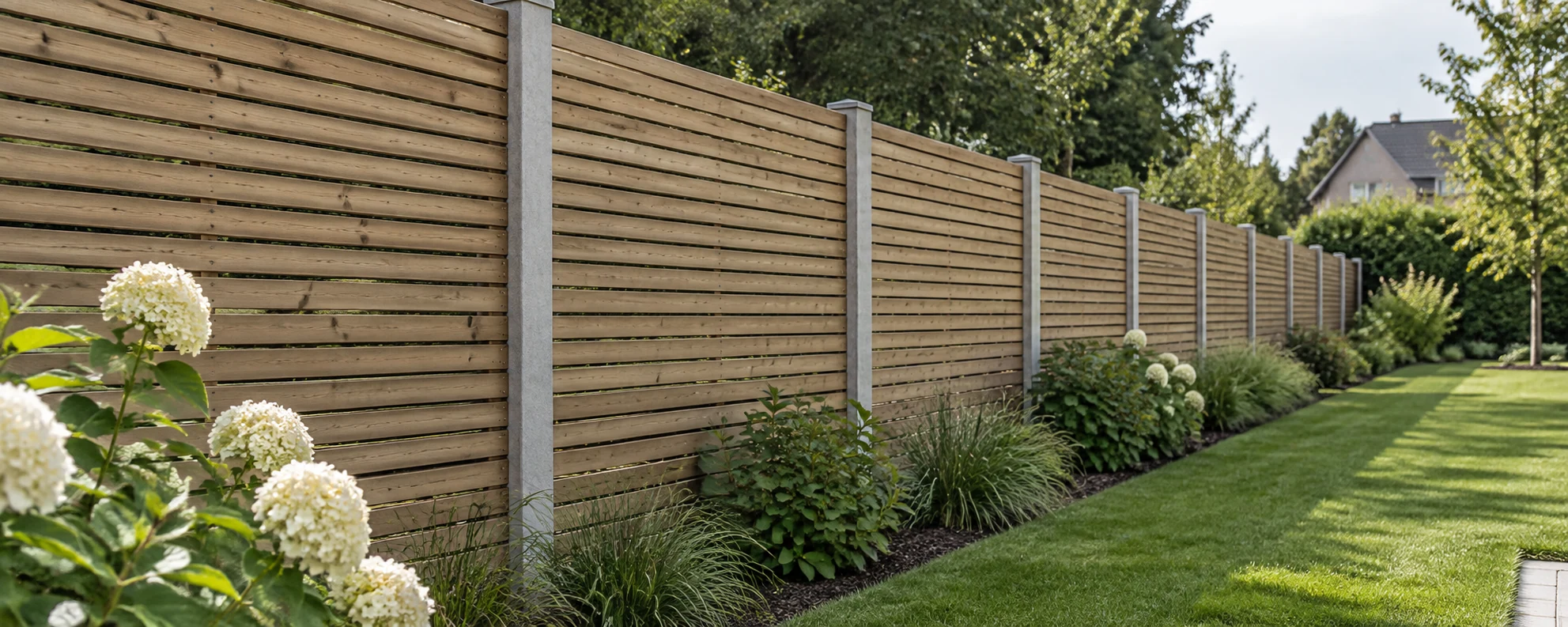
Compare closeboard fencing and slatted fencing using the actual proposed construction. Ask how posts, ends and changes in level will look. If appearance must match another part of the property, supply those details early and agree a realistic expectation where new materials meet weathered timber.
Describe the route into the Clapton garden
Mention side passages, shared gates, steps and tight turns. If the only access is through the house, say so at the enquiry stage. The size of the proposed components and the route available need considering together before delivery and installation arrangements are confirmed.
Give the correct entrance and identify who will provide keys or access. Check parking and unloading restrictions for the address and agree any necessary arrangements in advance. Permission to cross neighbouring or shared land should be settled separately, not assumed from the position of the fence.
Make a repair enquiry safe and useful
Note whether the damage appears to involve the panel, the support or their connection. Mention repeated movement or problems that followed strong wind. Photographs from a safe position can help, but do not test unstable fencing or move loose components to obtain a clearer view.
Our panel replacement page and post repair page cover those different enquiries. Ask the quotation to state what will be replaced and what will remain. If a proposed repair does not address every defect, make sure the exclusions and any further assessment needed are understood before acceptance.
Arrange approvals for shared or rented space
For a shared garden, identify who can agree the proposed work and who controls the access route. A neighbour's involvement in discussing the fence does not automatically establish authority to approve changes. Resolve any uncertainty about the boundary position with the relevant parties before installation is instructed.
For a rental or business property, provide the approving contact and any specification or documentation requirements. Our Clapton commercial fencing page covers operational considerations. Suitability and availability must be confirmed for the actual scope rather than inferred from the locality page.
Request a free Clapton quote
Call 020 3797 3058 or request a free quote with the postcode, approximate length and intended result. Mention planting, access restrictions and whether you want repair and replacement options considered. The next assessment step will be discussed for your property.
Use our quote preparation checklist to review materials, removal, disposal and exclusions. Confirm the terms applying to the proposed products and workmanship. A clearly defined scope makes it easier to compare options and understand the condition in which the boundary and work area will be left.
Frequently asked questions
Can replacement fencing be completed in stages?
Explain the sequence you have in mind and ask how retained and new sections would connect. Suitability and any limitations should be confirmed before agreeing the first stage.
Will new timber match the existing fence?
An exact match should not be assumed. Discuss differences in colour, dimensions and finish, particularly where weathered sections are being retained.
What should I mention about nearby planting?
Identify plants and supports you want kept, and describe any raised beds or restricted working space. Agree preparation and protection responsibilities as part of the quotation.