Describe what changed and where
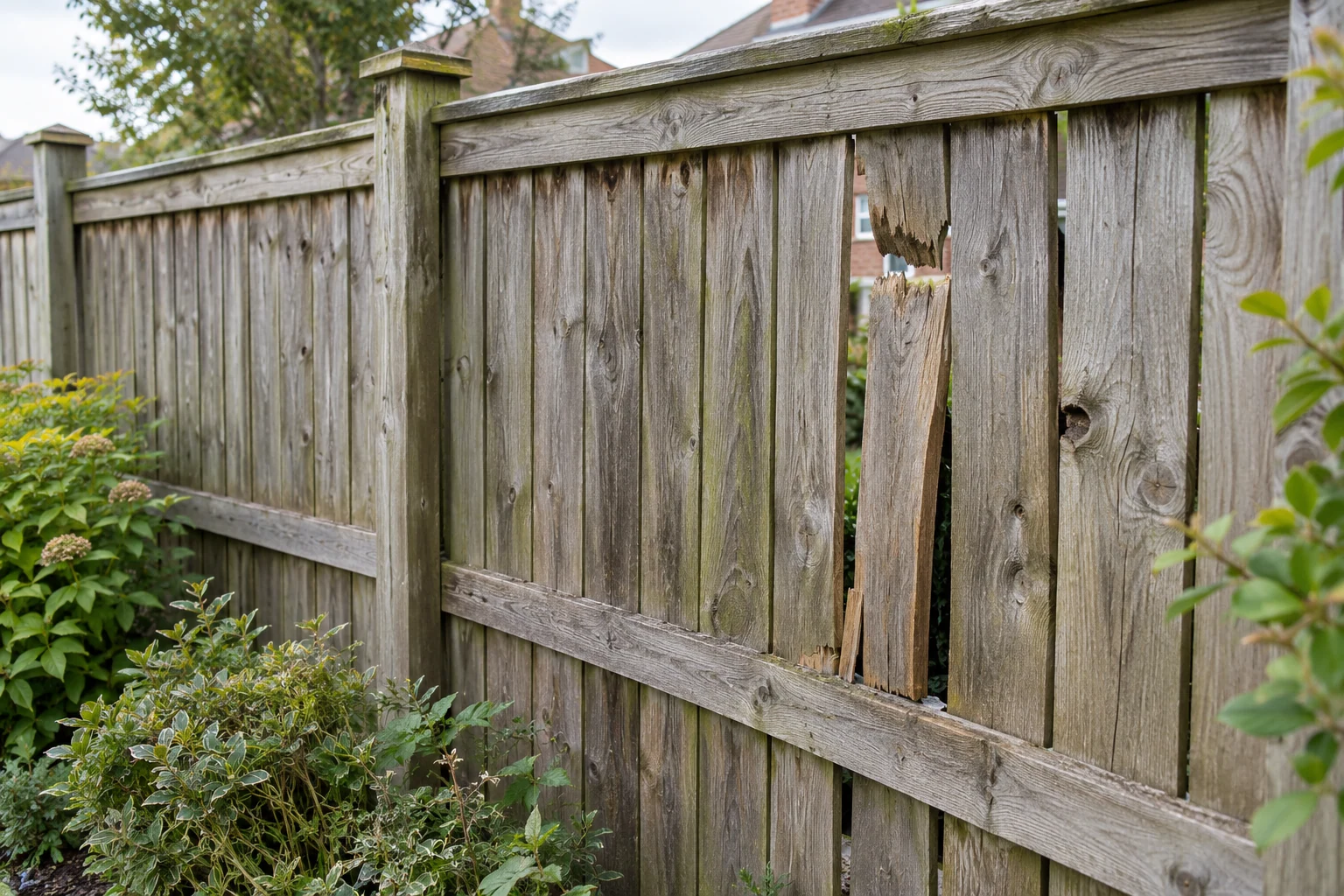
Use a fixed reference to identify the problem: beside the gate, behind a shed or at the corner furthest from the house. Explain whether a board broke, a panel detached or several sections began leaning. Mention previous repairs if you know about them, without assuming the same method is suitable again.
Request a free quote or call 020 3797 3058 with the Clapton address. You do not need product names or an exact material list to begin. A description of the fault, its extent and the access route helps establish the next assessment step.
Ask what the proposed repair actually addresses
A repair should describe more than the replacement item. If the proposal is for a panel, ask about the supports and connections it will rely on. If a post is the concern, ask how the adjoining components will be treated and which ones are intended to remain.
Our post repair page provides background for support-related enquiries. The panel replacement guide covers questions about the infill. Neither route assumes concealed parts are sound: closer inspection may be needed before the extent of work is confirmed.
Set priorities before comparing options
You might value retaining usable timber, keeping disruption limited or obtaining a more consistent appearance. Explain which outcome matters most. It can help to distinguish an essential repair from a separate wish to change the look of the entire boundary.
As an illustration, replacing one affected bay and renewing a complete side run answer different briefs. Ask the smaller option to identify what remains outside the repair, and the larger one to explain the extra removal and new construction. This is a comparison example, not a recommendation for your fence or a local case study.
Our repair decision guide helps organise that conversation. If a longer renewal is justified, the Clapton installation page covers the wider brief. There is no need to choose full replacement simply to start an enquiry.
Understand the visual limits of a small repair
A sound repair may still be noticeable. Existing timber has weathered, and new products may differ in colour, profile or proportions. Describe where the section is viewed from and whether a close visual match is important to you.
Ask what happens if the original product is unavailable or a similar-looking panel has different dimensions. Agree the alternative before materials are selected. Appearance and suitability are separate questions, and a product photograph does not establish either for the existing assembly.
Prepare for assessment without testing the fence
Keep clear of loose or leaning sections. Do not push a post to demonstrate movement, climb the fence for a photograph or remove material tangled with unstable components. Describe what you can already observe from a safe position and identify any affected entrance or commonly used path.
Attendance and availability need to be discussed for the circumstances. Mention if the boundary retains soil or provides protection beside a change in level. Those functions may require assessment beyond replacing ordinary screening components.
Organise the working route and decision maker
Explain how the repair position is reached, including locked gates, turns and shared passages. Describe nearby furniture, planting or stored items and what can be moved safely beforehand. Permission is needed before relying on a neighbour's garden for access or working space.
For a rented or managed home, provide the occupier arranging entry and the person authorising expenditure. Agree who will answer questions if a further defect becomes apparent. A keyholder should not be left to accept additional cost without the appropriate authority.
Keep the accepted repair easy to check
The written scope should name the affected position, new materials and retained parts. Ask about disposal, any work around adjacent surfaces and how the access route will be left. Our repair quotation checklist helps keep these items together when comparing options.
Confirm how a change in scope will be explained and approved before extra work proceeds. Ask which product and workmanship terms apply to the new work and what care information will be provided. A repair to one part does not describe the condition of every other section along the boundary.
Our Clapton service overview links the local installation, repair and commercial routes. Begin with the full address, fault description and your priorities. You can request a free quotation before deciding whether a limited repair or broader replacement is the right purchase.
Frequently asked questions
Should I request the same repair that was done previously?
Mention the previous work, but ask for the present condition and cause to be assessed. A past method does not establish the appropriate scope now.
Can a repair be sound but still look different?
Yes. New and weathered materials may differ in appearance. Discuss matching expectations and alternatives before choosing replacement components.
What should be recorded if the repair scope changes?
Record the additional finding, revised work and price, and approval from the authorised person before the extra work proceeds.