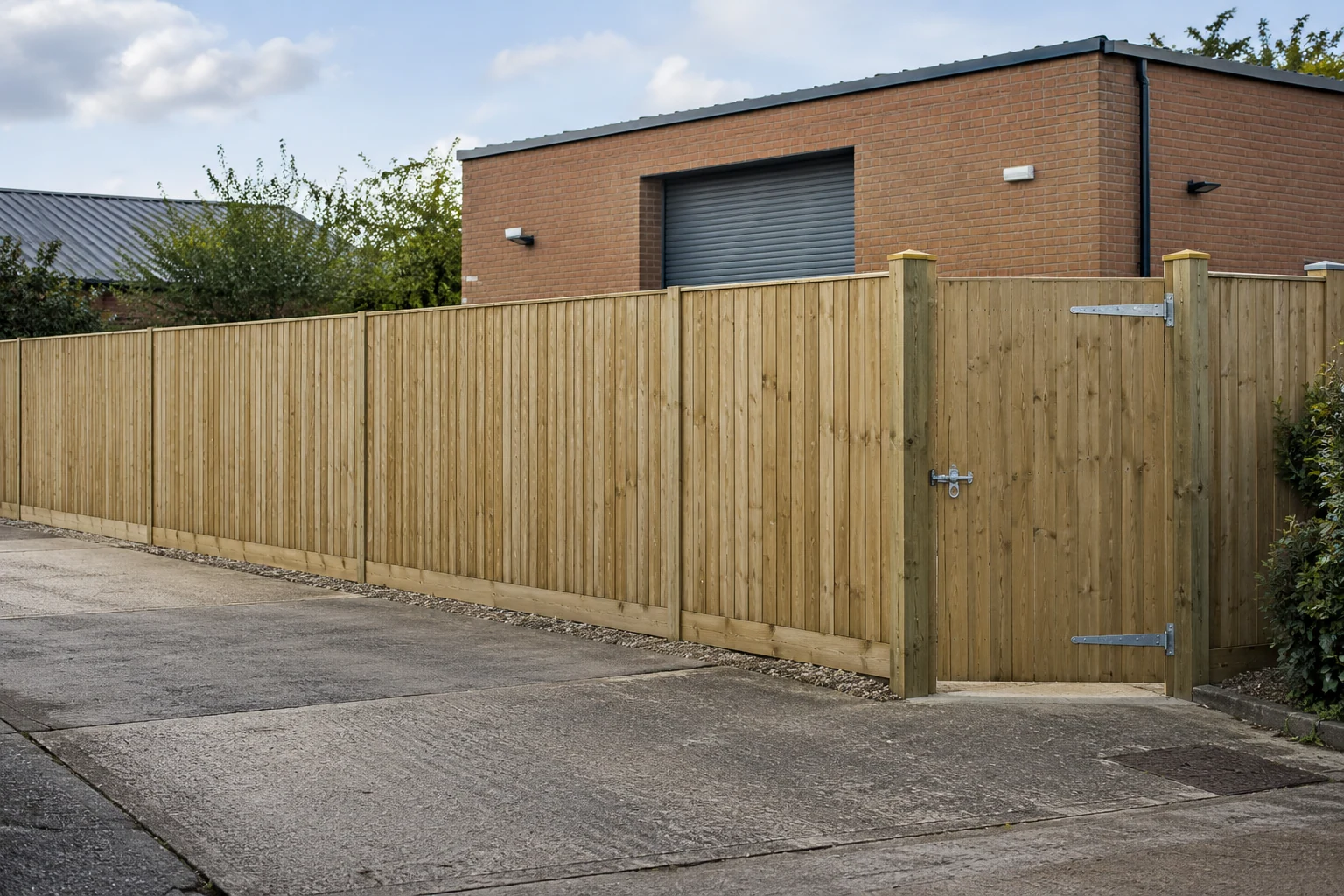
Give the enquiry a practical starting point
Describe the boundary problem rather than beginning with an assumed product. A worn section may need renewal, screening may be wanted beside an outdoor activity, or several separate defects may need attention. Identify the affected areas and what the completed work should achieve.
Our Clapton area page provides the local enquiry route. Include the full premises address, working entrance and person responsible for the boundary. Explain whether the space belongs to one occupier or is shared, because that affects who needs to approve access and changes.
Prioritise repairs and improvements separately
A maintenance brief may combine urgent defects with improvements that can be considered separately. Mark the different sections and explain your priorities. Include gates, changes in level and connections to retained structures so the proposed work is not reduced to one undifferentiated length.
Our Clapton repair page covers localised damage, while the Clapton installation page covers new runs. Ask the quotation to distinguish these elements, including the materials retained and removed. Separate scopes make it easier to approve the necessary work without losing track of optional improvements.
Explain how the outdoor area operates
List the people and activities that depend on the space: staff access, resident routes, visitor entrances or deliveries. State which paths must stay available and any operating periods the proposed programme needs to consider. Do not assume a shared courtyard can simply close for the duration.
Our managing-agent guidance covers communication between owners and occupiers. Identify who will arrange notices, provide entry and agree temporary arrangements. The sequence of removal and installation should reflect those decisions before a working date is confirmed.
Define the required function
Screening, boundary division and specified security performance are different requirements. Supply any prescribed construction or product specification with the enquiry. Suitability and capability must be reviewed against that brief before specialist work is accepted.
Explain any retaining function, attachment to a building or position beside a change in level. Ordinary timber fencing is not automatically a structural retaining system or protective barrier. These conditions need consideration beyond choosing a style, with responsibility for any additional assessment established early.
Plan delivery and working space
Describe the route from the entrance to each work area, including gates, narrow turns and steps. Mention booking, induction or key requirements supplied by the property contact. Confirm whether materials can reach the boundary through the available route before selecting full-size components.
Agree where materials can be placed and how the old fencing will leave. Shared passages and adjoining land need permission before they are used for storage or access. Include any nearby planting, paving or equipment requiring protection and state which obstructions can be moved beforehand.
Turn the preferred appearance into a specification
Our fence styles overview can help communicate the intended look. The written proposal should also identify dimensions, posts, connections, finish and any gates. Discuss junctions with retained fencing, including the appearance of new timber beside weathered sections.
Ask which preparation, removal, disposal and reinstatement tasks are included. Our quotation checklist helps review equivalent scopes and exclusions. If alternatives are offered, make the differences in construction and completed work clear rather than comparing product names or headline prices alone.
Establish a clear approval route
Name the person authorised to accept the quotation and the person providing access. They may not have the same authority. Agree who can approve variations if further defects are discovered, and how changes in work and price will be recorded before proceeding.
Supply purchasing and documentation requirements at the enquiry stage. Resolve uncertainty about ownership or the intended boundary position before instruction. A defined approval route helps avoid asking an occupier or keyholder to make decisions they are not authorised to make.
Request a free Clapton commercial quote
Call 020 3797 3058 or request a free quote with the address, proposed scope and operational requirements. Include the approving contact and any available specification. The enquiry can then be discussed for suitability, availability and the next assessment step.
Before acceptance, confirm the applicable product and workmanship terms, care information and completion arrangements. Agree how the work area and access routes should be left. The proposal should describe the work your organisation is buying and the practical arrangements needed to carry it out.
Frequently asked questions
Can necessary repairs be separated from optional improvements?
Yes. Identify the different areas and priorities, then ask the quotation to distinguish their materials, removal and scope.
Can shared routes remain available during the work?
Explain which routes are needed and when. The sequence and any temporary arrangements must be agreed for the particular premises before scheduling.
Who should accept the commercial fencing quotation?
The person authorised to approve the specification and cost should accept it. Identify separately who provides entry and who can approve variations.