Describe the boundary and the reason for the enquiry
Tell us whether the fence is beside a private garden, a shared outdoor space or business premises. Include your full postcode and an approximate length. Explain what has changed or what you want to improve, rather than assuming a particular product is the only solution.
Our Mile End installation page covers new and replacement fencing. If most of the existing run may remain, our Mile End repair page offers a more focused starting point. Ask which details need assessment before deciding between renewing individual components and replacing a longer section.
Look at the posts as well as the panels
A damaged panel is visible, but its surrounding supports can affect whether a replacement will be practical. Describe any leaning or movement you can see from a safe position. Do not test the fence by pushing it or stand beside loose components to take a photograph.
Our panel replacement guidance and post repair guidance explain those different enquiries. Ask the quotation to identify the retained parts and the new work. If more than one type of defect is present, the scope should make clear which problems are addressed and which require further assessment.
Consider the openings along the run
Identify gates, passage entrances and gaps that need to remain usable. Explain whether any gate post is part of the section being replaced. A new panel should not be planned independently of an opening whose support or clearance could be affected.
If the fence line or height is changing, discuss the end points and connections before accepting the specification. Resolve any property-specific permission or ownership questions with the relevant parties. Choosing a contractor does not settle a disputed boundary or provide approval for a change to it.
Plan access to your Mile End property
Give the working entrance as well as the postal address if they differ. Describe side passages, steps and any route through the building. Mention narrow turns, locked gates or shared access so the proposed materials and delivery method can be considered against the available space.
Confirm parking and unloading arrangements for the actual address before attendance is finalised. If a managing agent or neighbour controls part of the route, agree access separately. Identify who will be available to open entrances and where materials can be placed without obstructing people using the property.
Choose the finished appearance deliberately
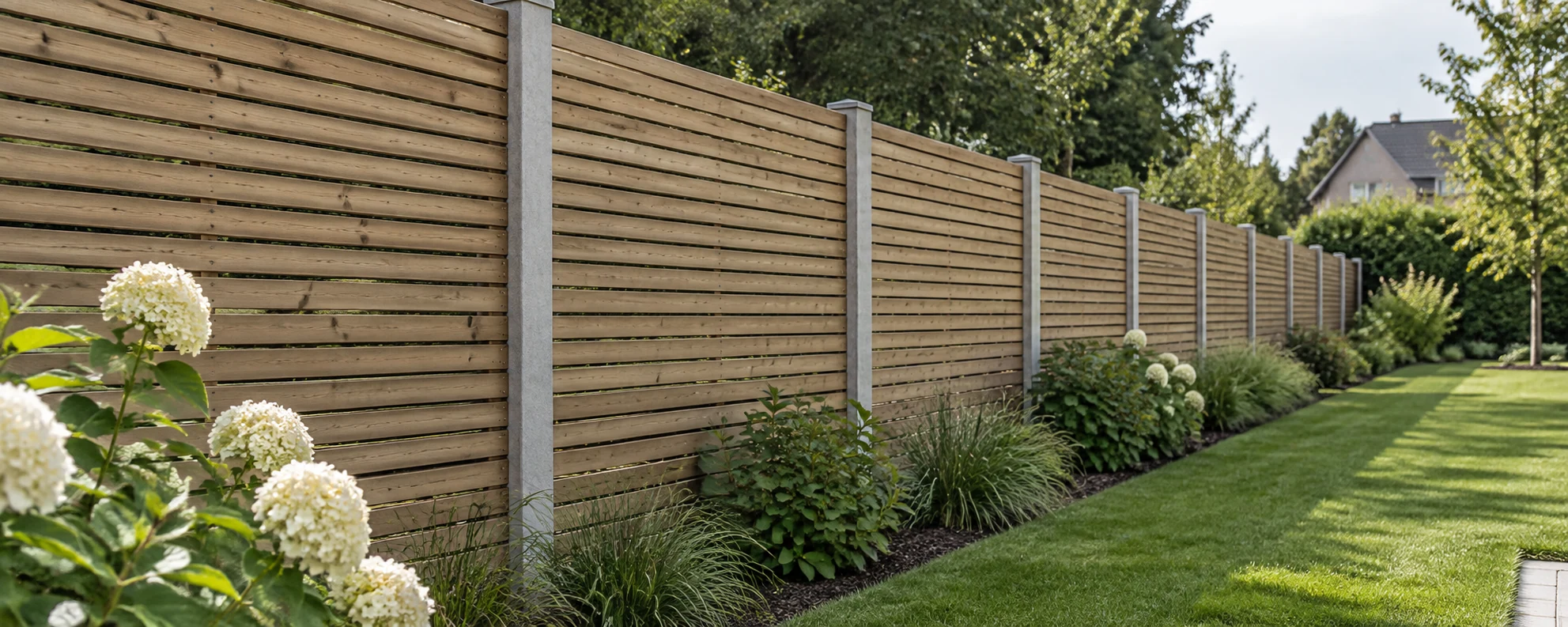
Look at the boundary from the house and the places where you spend time outside. Explain whether privacy, a consistent finish or matching an existing section matters most. Our fence styles overview helps compare the categories, while our privacy advice discusses gaps and viewing angles.
Ask for the proposed dimensions, construction and support details together. Include the treatment of changes in level and connections to retained fencing. New timber can look different from weathered material, so agree a practical expectation for a partial replacement rather than assuming an exact colour match.
Include the work around the fence
Point out planting, paving edges, garden furniture and known services close to the proposed run. Say what you want kept and discuss any preparation needed to reach the post positions. Removal of old fencing should not be taken to include every clearance task beside the boundary.
Ask specifically about old foundations, disposal and the condition in which surfaces will be left. If the existing fence supports soil or is fixed to another structure, mention that separately. The replacement method needs to suit the actual arrangement, with any specialist assessment identified before work is agreed.
Arrange shared-property and commercial decisions
For a communal garden or rental, name the person who can approve the quotation and the person providing entry. Explain any notice required for occupiers and which routes must stay available. Our managing-agent guidance helps keep responsibilities clear where several people are involved.
Business enquiries can use our Mile End commercial fencing page. Provide working-hour restrictions and any specialist specification or documentation requirements early. Suitability and availability must be confirmed for the project rather than assumed from a general service description.
Request a free Mile End quote
Call 020 3797 3058 or request a free quote with the postcode, approximate length and a short description of the work. Mention gates, support damage and access restrictions. You can begin without exact measurements or a final style choice; the next assessment step will be discussed for your address.
Use our quotation checklist to compare materials, preparation, removal and exclusions. Ask which product and workmanship terms apply to the proposed work. A clear specification makes it easier to compare options and understand the finished boundary you are agreeing to.
Frequently asked questions
Should I mention a gate beside the damaged fence?
Yes. Explain whether the gate shares a post with the affected section and whether its operation has changed. The connection and clearance should be considered in the proposal.
Can replacement panels use existing posts?
Their condition and suitability for the proposed panels need checking. Ask which supports would remain and what is included if replacement is necessary.
What should a Mile End quotation include?
It should identify the proposed components, retained parts, access arrangements, preparation, removal and exclusions, together with the terms applying to the new work.