Start with the view you want to change
A useful installation brief describes the problem before naming a product. Perhaps neighbouring windows overlook a seating area, a tired boundary spoils the garden, or an open section needs a more defined edge. Explain where you want screening and where keeping light or an open outlook matters.
Our privacy fencing guide explores sightlines and gaps. A taller fence is not automatically the right answer. The viewing position, board arrangement and relationship with the rest of the outdoor space all affect the result. Discuss those priorities before choosing dimensions.
Match the fence to the outdoor space
Our Canary Wharf area page is the starting point for enquiries in the area. Include your full address and building name where relevant. A private ground-level garden and a terrace belonging to a managed building present different installation questions, even when their postcodes are close together.
Describe the surface beneath the proposed fence. Soil, paving, a wall and a deck are not interchangeable supporting conditions. If the work would rely on a building structure or waterproofed surface, supply any available drawings and obtain the relevant property approvals. Suitability must be assessed before a fixing method is agreed.
Compare appearance and construction together
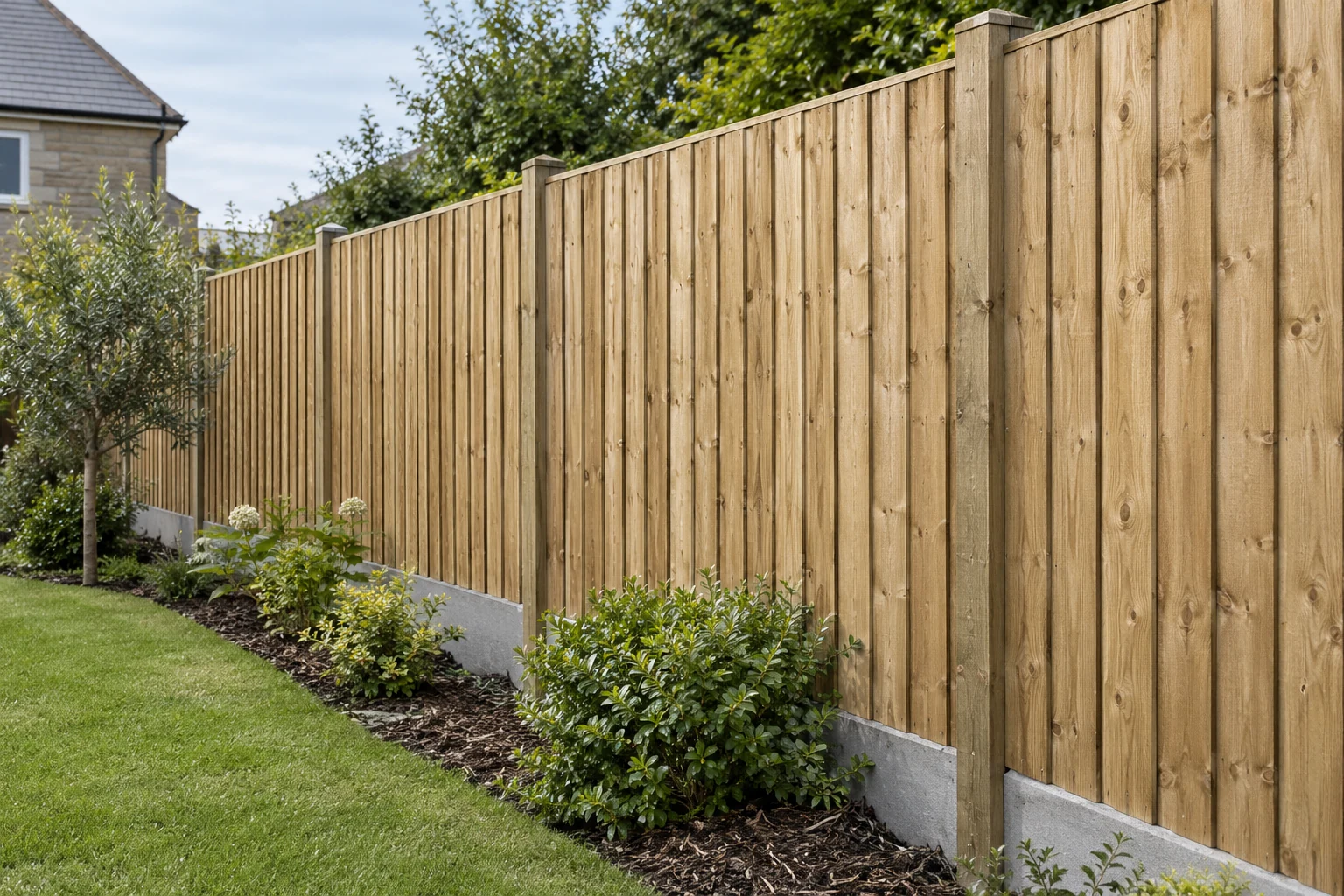
Closeboard fencing can be considered where a more enclosed timber boundary is wanted. Slatted fencing offers a different appearance, but the spacing and viewing angle influence screening. Trellis can create a lighter division where a fully closed boundary is not the priority. Review the fence styles overview to describe your preference.
Ask for the actual construction, dimensions, posts and finish to be recorded in the quotation. A photograph helps communicate appearance but does not define the complete installation. Agree how corners, end posts and connections to retained fencing will look, including any change in level along the run.
Decide how much needs replacing
Identify the fence sections you want removed and the parts you hope to keep. A new run beside old timber will generally look different at first, so discuss whether that contrast matters to you. Confirm the treatment of existing posts and foundations rather than assuming they are included in removal.
If the problem is confined to damaged components, consider our Canary Wharf repair service before committing to replacement. A repair assessment can establish whether retained parts provide a useful starting point. Compare the extent of both options, including disruption and the condition of the remaining boundary.
Plan delivery from entrance to boundary
For a managed property, ask the building contact whether materials deliveries need booking and which entrance should be used. Give the actual route to the work area, including narrow gates, turns, steps or internal passages. Do not assume that a nearby vehicle entrance provides access for full-size panels.
Discuss any shared routes that must stay open and where materials can be placed without obstructing them. Confirm who supplies keys and who can authorise access. These are property-specific arrangements, not a single access policy for every address described as Canary Wharf.
Keep fencing and protective barriers distinct
Explain if the proposed boundary is beside a drop, water or a raised platform. An ordinary screening fence should not be assumed to provide protective guarding. Any required structural or safety function needs its own specification and an assessment of whether the proposed work is suitable.
Similarly, tell us if the existing boundary holds back soil or connects to a retaining wall. That function needs separate consideration. Being clear about these conditions early prevents a quotation for ordinary fencing from being mistaken for an offer to undertake specialist structural work.
Know what the installation quotation covers
The written scope should identify the proposed fence, preparation, removal, disposal and the condition in which the work area will be left. Mention planting, paving and fixtures that need protection. Ask which tasks are included and which would be additional if unexpected conditions are found.
Our quote comparison checklist helps you compare like-for-like proposals. Confirm the product and workmanship terms applicable to the work, together with any care requirements. Any programme should be agreed around the assessed site conditions and available materials rather than assumed from a general website description.
Request your free installation quote
Call 020 3797 3058 or request a free quote with the address, approximate fence length and the result you want. You do not need to know the final product before making an enquiry. Describe the space, access and any known approval requirements so the next assessment step can be arranged.
If you manage the property for someone else, include the person who can accept the specification. Resolve uncertainty over the intended boundary position or permission for an alteration before instructing work. This keeps the agreed installation aligned with both your preferences and the property requirements.
Frequently asked questions
Can I enquire before choosing a fence style?
Yes. Describe the privacy, appearance or boundary problem you want to address. The appropriate construction and dimensions can then be discussed for the particular site.
Can a new fence be fitted to a terrace?
Suitability needs assessment. Explain the supporting construction and provide relevant property requirements or drawings before a fixing method or scope is agreed.
What should I send with a Canary Wharf installation enquiry?
Provide the full address, approximate length, type of outdoor space and access details. Mention any managing-agent approvals or delivery arrangements you already know about.